You signed, the loan funded and you have the keys. The lender is done with you for now, but the next few weeks still have deadlines: the first payment, a possible transfer of your loan to a new servicer, a property-tax exemption you have to apply for, and a stack of mail that looks official and is not.
This is the list, in the order it comes up. The safety items take an afternoon and cost far less than one claim on your new homeowner's policy.
Day one: papers and locks
-
Keep the closing package together
The Closing Disclosure, the promissory note, the deed of trust or mortgage, and later the recorded deed and the owner's title policy. You need the Closing Disclosure for your taxes (points and prepaid interest) and for any refinance or sale.
-
Re-key or replace the exterior locks
You do not know how many keys the seller, their family, contractors and past tenants still have. Re-keying is cheap; a keypad deadbolt means no keys to lose at all.
-
Change the garage and gate codes
Reset the opener's code and remove old remotes, and change any alarm or smart-lock codes the seller set.
-
Photograph every room
If something turns out to have been broken before you moved in, a dated photo helps with a home warranty or a claim against the seller.

Kwikset SmartKey Re-Key Kit
If the house has Kwikset SmartKey deadbolts (a small slot beside the keyway), this changes them to your own key in a minute each, so no previous owner, agent or contractor still has one. Only works on SmartKey locks.

A keypad deadbolt with built-in Wi-Fi: codes you can give the movers and cancel the same day, and no key copies floating around from the last owner.

Holds letter-size papers flat: the Closing Disclosure (you need it for taxes and any refinance), the note, the recorded deed and the owner's title policy.
The first week: safety
-
Check the date on every smoke alarm
The manufacture date is printed on the back. Smoke alarms are meant to be replaced every 10 years and tested monthly; a resale house often has a mix of ages and missing units. Put carbon monoxide alarms near the bedrooms if the house burns gas or has an attached garage.
-
Put a fire extinguisher in the kitchen
Sellers usually take theirs.
-
Find the main water shut-off
Usually where the water line enters the house, in a basement, crawl space, garage or a box near the street. Turn it off and on once so you know it moves.
-
Label the electrical panel
Flip each breaker and write down what goes dark. You will be glad of it the first time something trips at night.
-
Put leak sensors where water starts
Under the water heater, the kitchen sink, the washer and any bathroom above a finished room.
-
Test for radon if the inspection did not
Radon is invisible and common in some regions. The EPA recommends fixing a home at 4 pCi/L or more. A short-term kit takes a few days in the lowest lived-in level.

Half the panels in resale homes are labeled in pencil or not at all. Flip each breaker once, label it, and you never hunt in the dark.

Check the date on the back of each alarm the seller left. Smoke alarms are meant to be replaced at 10 years; this one covers smoke and carbon monoxide in one unit.

First Alert HOME1 Fire Extinguisher
A rechargeable ABC extinguisher for ordinary, liquid and electrical fires. Sellers usually take theirs.

First Alert RD1 Radon Gas Test Kit
A short-term test you leave in the lowest lived-in room and mail to the lab. The EPA says to fix a home at 4 pCi/L or more.
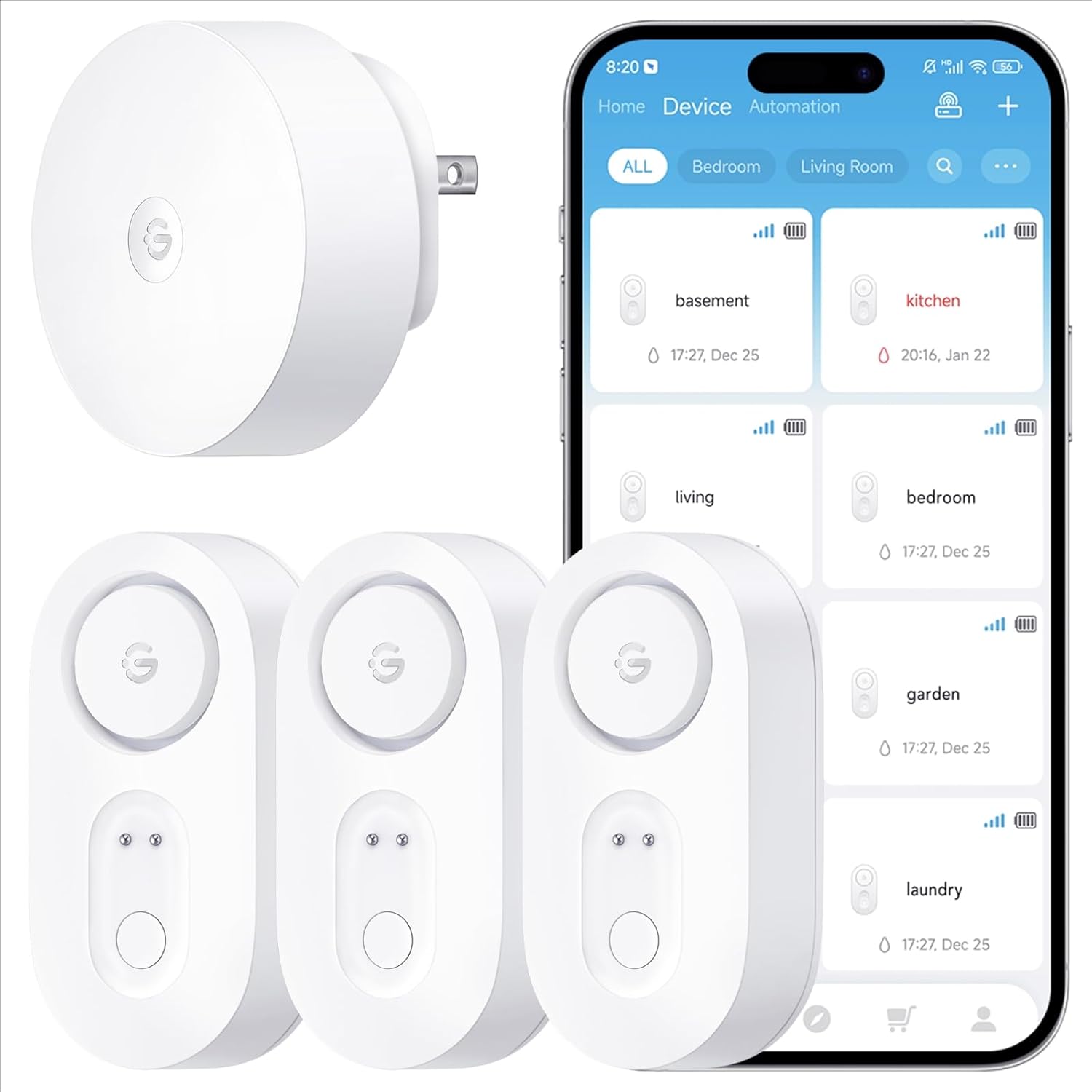
A loud alarm and a phone alert when water reaches the sensor - a slow leak under a sink is the kind of thing a walk-through misses.
The first month: the loan
Your first payment is later than you think. Mortgage interest is paid in arrears, and at closing you prepaid the interest from your closing day to the end of that month. So the first payment is usually due on the first day of the second month after closing: close on October 15 and the first payment is due December 1. The exact date is on your Closing Disclosure and in the first-payment letter the lender gives you at signing.
Your loan may move to a new servicer. Many loans are sold or their servicing transferred within weeks of closing. Federal rules (RESPA's servicing-transfer rule, 12 CFR 1024.33) require a written notice from the old servicer at least 15 days before the transfer and from the new one within 15 days after it. For 60 days after the transfer, a payment sent on time to the old servicer cannot be treated as late. Never pay a new servicer because of an email or a phone call alone: check the notice against the letter from your original lender.
Set up autopay only once you know who the servicer is. Then check your first escrow statement: it shows the tax and insurance amounts built into the payment, and an annual escrow analysis can raise the payment if taxes go up.
Before the first tax season
-
Apply for a homestead exemption
Many states cut the taxable value of a home you live in, but you usually have to apply to the county assessor, and the deadline is often early in the year after you buy. Look it up on your county assessor's site this month.
-
Keep the Form 1098
Your servicer sends it in January: the mortgage interest, any points you paid and, often, property taxes paid from escrow. If the loan was transferred, you may get one from each servicer.
-
Update your address everywhere
Employer, bank, IRS (Form 8822) and your car insurance - the premium can change with the new address.
Questions new owners ask
Still before closing? Start with the final walk-through checklist and what not to do before closing.
Comments
No comments yet. Be the first to comment!
Leave a Comment